



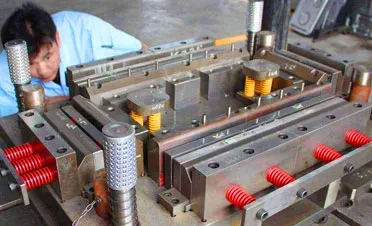

aluminum cast parts
aluminum cast parts
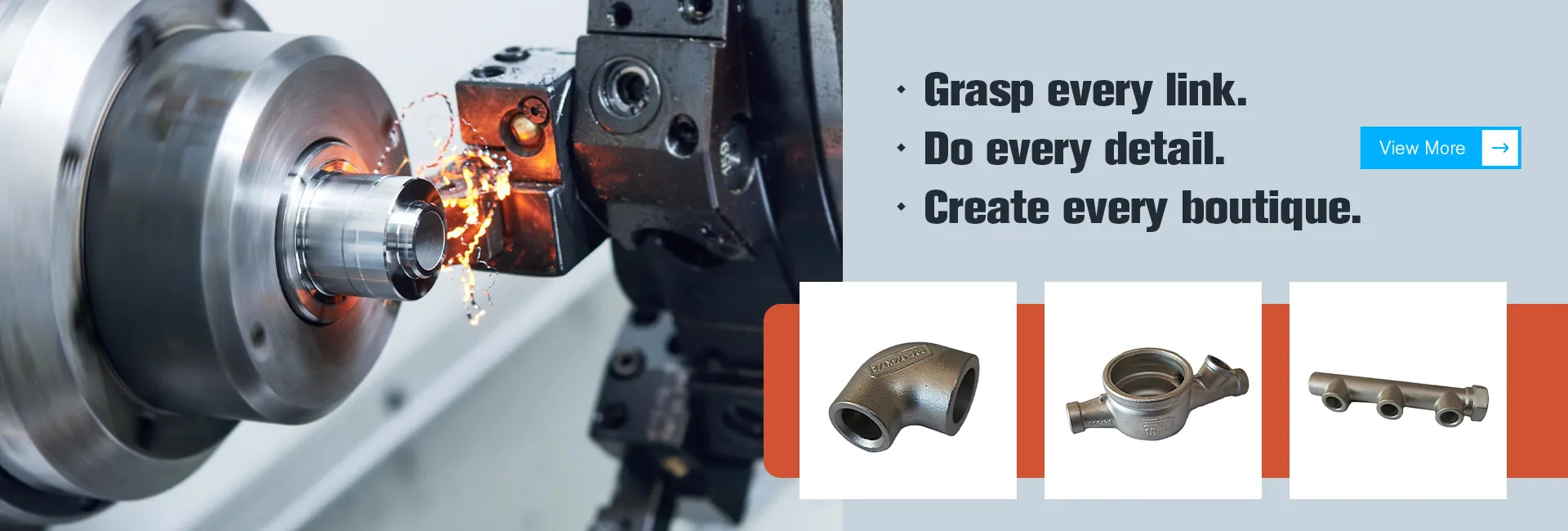
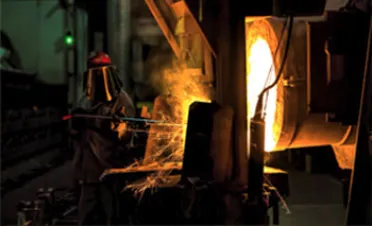
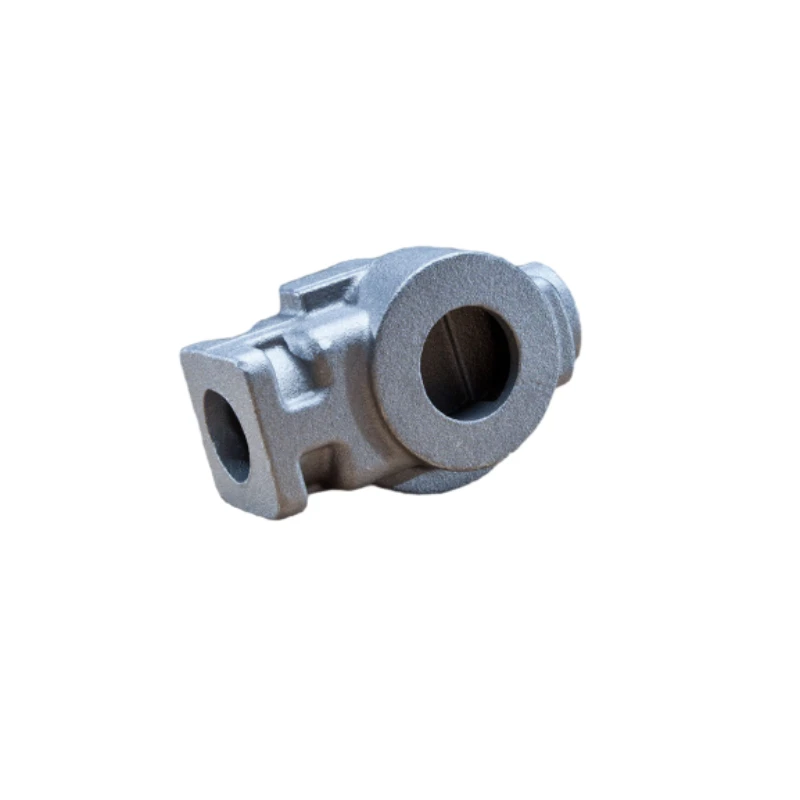
Casting Small Aluminum Parts A Comprehensive Guide Aluminum casting is a widely-used manufacturing process for producing small parts across various industries, including aerospace, automotive, electronics, and consumer goods. The versatility of aluminum, combined with the efficiency and precision of casting techniques, makes it an ideal choice for creating intricate components. In this article, we will explore the various aspects of casting small aluminum parts, including the processes involved, advantages, applications, and best practices. Understanding Aluminum Casting Techniques Aluminum casting can be performed using several techniques, each suited for different applications and production volumes. The most common methods include 1. Die Casting This is one of the most popular methods for producing small aluminum parts. In die casting, molten aluminum is injected into pre-made steel molds under high pressure. This technique allows for high accuracy and a smooth surface finish, making it ideal for parts that require tight tolerances. 2. Sand Casting In this process, molds are created using sand mixed with a binding agent. The molten aluminum is poured into the sand cavity to form the desired shape. While this method is less precise than die casting, it is cost-effective for producing larger components and is suitable for lower production volumes. 3. Investment Casting Also known as lost-wax casting, this method involves creating a wax model of the part, which is then coated with a ceramic material. Once the ceramic hardens, the wax is melted away, leaving a mold for the molten aluminum. Investment casting is excellent for intricate designs and offers a high level of detail. 4. Permanent Mold Casting This technique uses reusable molds made from metal, which are preheated before molten aluminum is poured in. This method provides a better surface finish than sand casting and is suitable for producing medium- to high-volume parts. Advantages of Aluminum Casting Aluminum casting holds several advantages that make it an attractive option for manufacturing small parts - Light Weight Aluminum's low density contributes to the production of lightweight components, which is essential in industries like aerospace and automotive, where reducing weight improves fuel efficiency. - Corrosion Resistance Aluminum naturally forms a protective oxide layer, making cast parts resistant to corrosion in various environments, enhancing their durability and lifespan. - Good Thermal Conductivity Aluminum's excellent thermal conductivity makes it ideal for applications that involve heat dissipation, such as engine components and heat sinks. - Cost-Effective Production Techniques like die casting enable high-speed production and reduced material waste, leading to lower overall costs for manufacturers. casting small aluminum parts Applications of Small Aluminum Castings Small aluminum castings are utilized in a wide range of applications - Automotive Parts Many critical components such as engine blocks, transmission cases, and wheels are manufactured using aluminum casting due to its lightweight and strength. - Aerospace Components Aircraft components, including brackets, housings, and structural parts, often rely on aluminum casting for their weight-saving benefits. - Consumer Electronics Products such as smartphones, laptops, and appliances may feature small aluminum cast parts, leveraging the material's aesthetic appeal and thermal properties. - Machinery and Equipment Aluminum castings are used in machinery for housings, frames, and other structural components due to their strength-to-weight ratio. Best Practices in Aluminum Casting To achieve optimal results in casting small aluminum parts, manufacturers should adhere to several best practices 1. Design for Manufacturability When designing parts for casting, it is crucial to consider the capabilities and limitations of the chosen casting method. This includes factors like wall thickness, draft angles, and the complexity of shapes. 2. Material Selection The choice of aluminum alloy can significantly impact the performance of the final product. Understanding the specific requirements of the application will guide the selection of the appropriate alloy. 3. Quality Control Implementing rigorous quality control measures during the casting process will help identify potential defects early on, ensuring high-quality outcomes. 4. Post-Casting Treatments Surface treatments, coatings, and stabilization processes can enhance the properties of cast aluminum parts and prolong their life. In conclusion, casting small aluminum parts is a crucial manufacturing technique that blends efficiency with the unique properties of aluminum. By leveraging the right casting methods and adhering to best practices, manufacturers can produce high-quality components that meet the demands of various industries. With ongoing advancements in casting technology, the future of aluminum casting looks promising, offering manufacturers even more opportunities for innovation and efficiency.
-
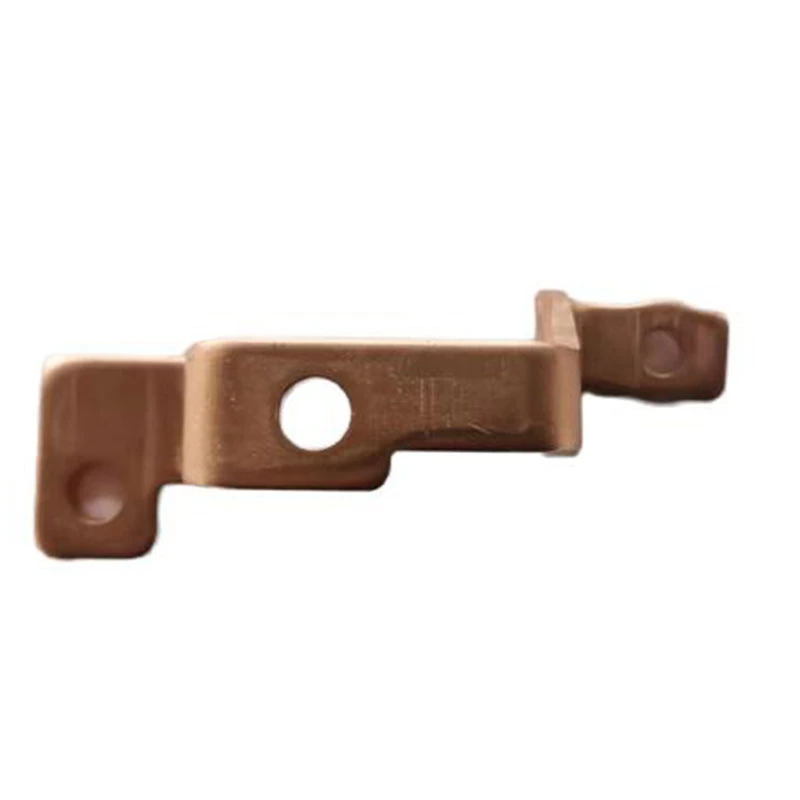 2026-06-19 08:40pressure casting chamberUnderstanding Pressure Casting Chambers A Comprehensive Overview Pressure casting, a sophisticated manufacturing process, plays a pivotal role in producing intricate metal components with exceptional precision and surface finish. At the heart of this process lies the pressure casting chamber, a critical element that influences the quality and efficiency of the casting operation. This article delve
 -
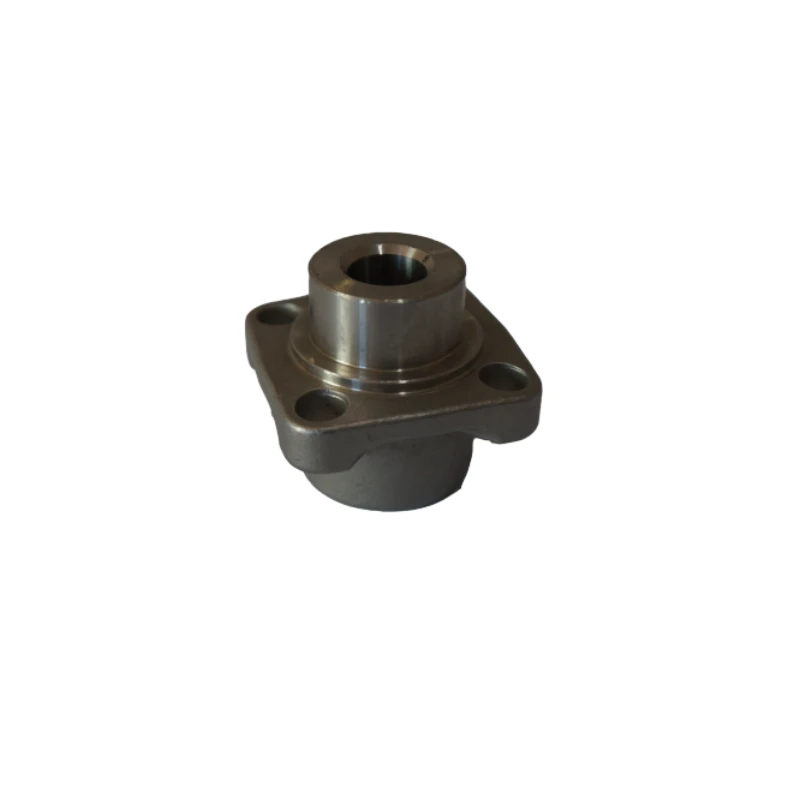 2026-06-19 08:35precision valvePrecision valves serve as the cornerstone for numerous industrial applications, providing unparalleled control over fluid dynamics. These sophisticated components are indispensable in sectors such as pharmaceuticals, petrochemicals, aerospace, and others that require meticulous regulation of gases and liquids. The operative word here is 'precision,' reflecting the high degree of accuracy with whic
 -
 2026-06-19 08:27The Role of Machining Manufacturers in Global Supply ChainsGlobal supply chains rely heavily on machining manufacturers to deliver precision, scalability, and innovation. From automotive to aerospace, these manufacturers ensure components meet rigorous standards while adapting to evolving technologies like abrasive water jet machining and additive machining . By integrating diverse machining types , they serve as backbone partners for industries requiring
 -
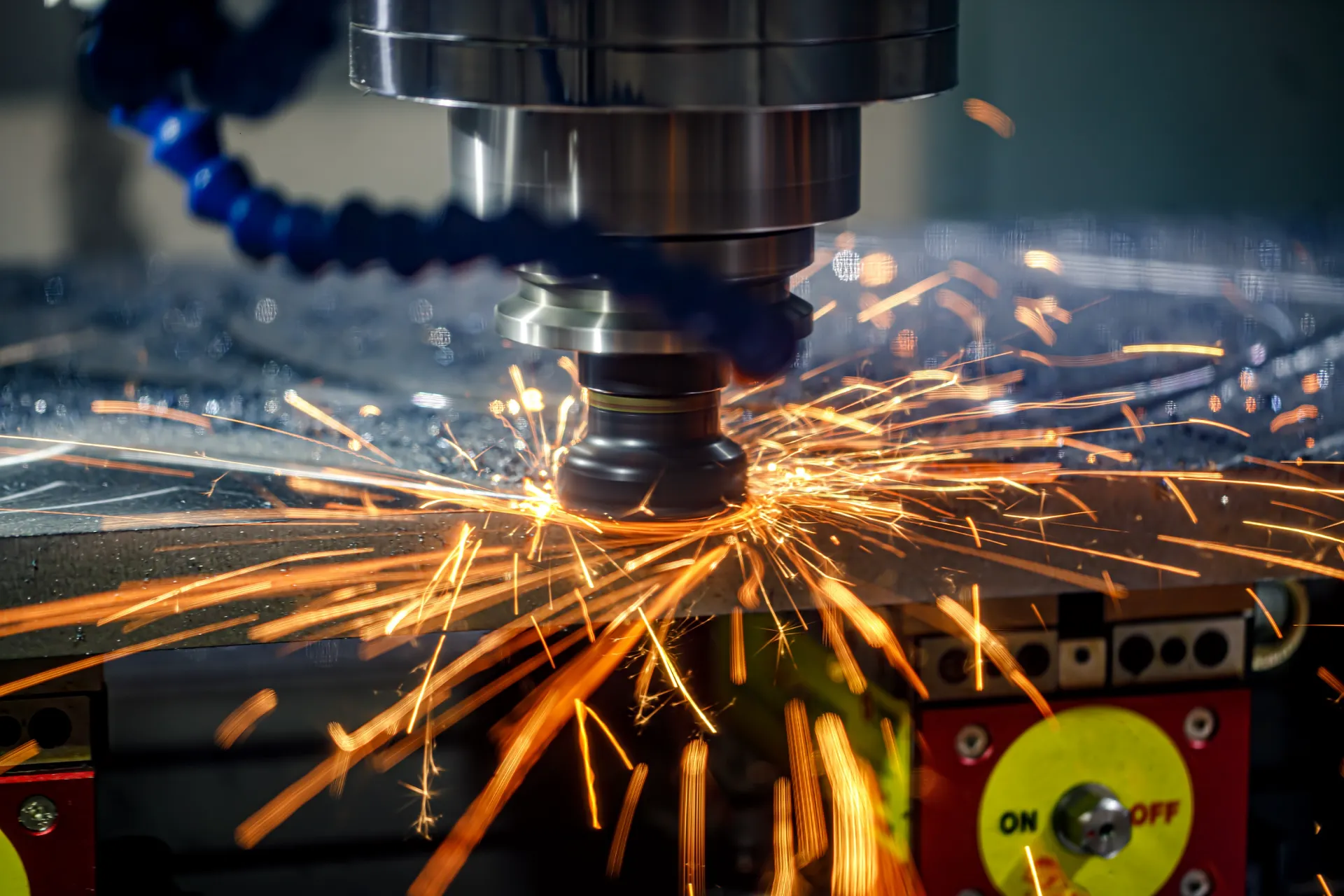 2026-06-19 07:30Understanding the Benefits and Techniques of Structural Die Casting in Manufacturing ProcessesUnderstanding Structural Die Casting A Comprehensive Overview Structural die casting is a sophisticated manufacturing process utilized primarily in the production of complex metal parts. This method is particularly favored in industries where strength, lightweight, and precision are critical, such as automotive, aerospace, and consumer electronics. In this article, we will explore the fundamentals
 -
 2026-06-19 07:04Precision Metal Stamping for Small Component Manufacturing and Design SolutionsThe Significance of Metal Stamping in Producing Small Parts Metal stamping is a critical manufacturing process used extensively to produce small parts across various industries. This technique involves the use of a die and a stamping press to transform flat metal sheets into specific shapes and sizes. In an age where precision, efficiency, and cost-effectiveness are paramount, metal stamping has e